
The 20th and 21st centuries brought both tragedy and renewal for Chaldean communities. Persecution, genocide, and war forced mass migration, creating a global Chaldean diaspora. Today, thriving Chaldean communities exist across six continents, preserving their heritage while building new futures. From Argentina to India, from Afghanistan to North America, Chaldeans carry forward 5,000 years of history into the modern world.
ENTRY 57: THRONES AND PALACES OF BABYLON
Time Period: Ancient Babylon
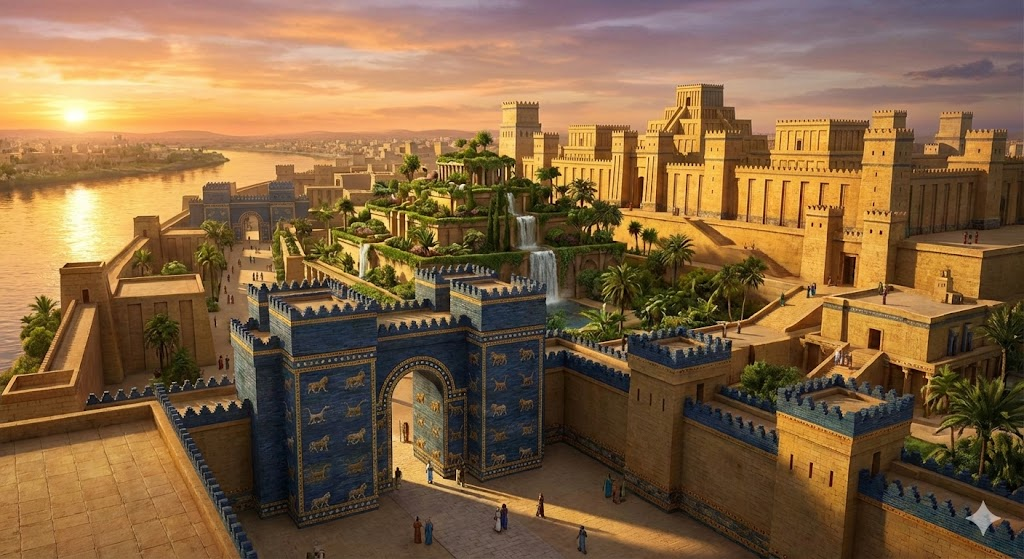
The archaeological rediscovery of Babylon in the 19th and 20th centuries revealed the grandeur of ancient Chaldean civilization. Excavations uncovered Nebuchadnezzar II’s magnificent palaces, the Ishtar Gate, the Processional Way, and evidence of the fabled Hanging Gardens.
These discoveries validated historical accounts of Babylon’s splendor and reconnected modern Chaldeans with their ancestors’ achievements. The ruins of Babylon remain a powerful symbol of Chaldean heritage.
Archaeological Rediscovery:
- Excavation of Nebuchadnezzar’s palaces
- Ishtar Gate reconstruction
- Evidence of ancient grandeur
- Connection to ancestral achievements
ENTRY 58: CHALDEANS IN ARGENTINA
Time Period: 20th Century – Present

Argentina became home to a Chaldean community in the mid-20th century. Fleeing persecution and seeking economic opportunities, Chaldean families established themselves in Buenos Aires and other cities.
The Argentine Chaldean community maintains their language, religious traditions, and cultural identity while fully participating in Argentine society. They represent the global reach of the Chaldean diaspora.
South American Presence:
- Migration to Argentina (mid-20th century)
- Community establishment in Buenos Aires
- Maintenance of language and faith
- Integration while preserving identity
ENTRY 59: CHALDEANS IN INDIA
Time Period: 1st Century CE – Present
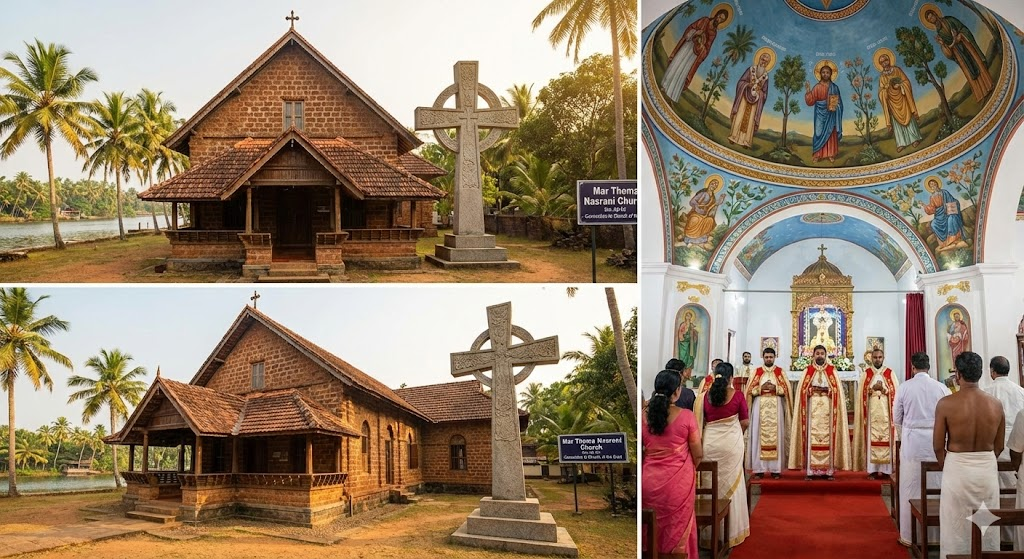
The Church of the East had historical connections to Christian communities in India, traditionally founded by the Apostle Thomas. These Saint Thomas Christians maintained ties with the Chaldean patriarchate for centuries, sharing liturgical traditions and ecclesiastical connections.
Some modern Indian Christians maintain Chaldean Catholic affiliation, representing another branch of the global Chaldean family.
Indian Connection:
- Historical Church of the East ties
- Saint Thomas Christian communities
- Shared liturgical traditions
- Ecclesiastical connections across continents
ENTRY 60: REDISCOVERY OF CHALDEAN HERITAGE
Time Period: 19th Century – Present
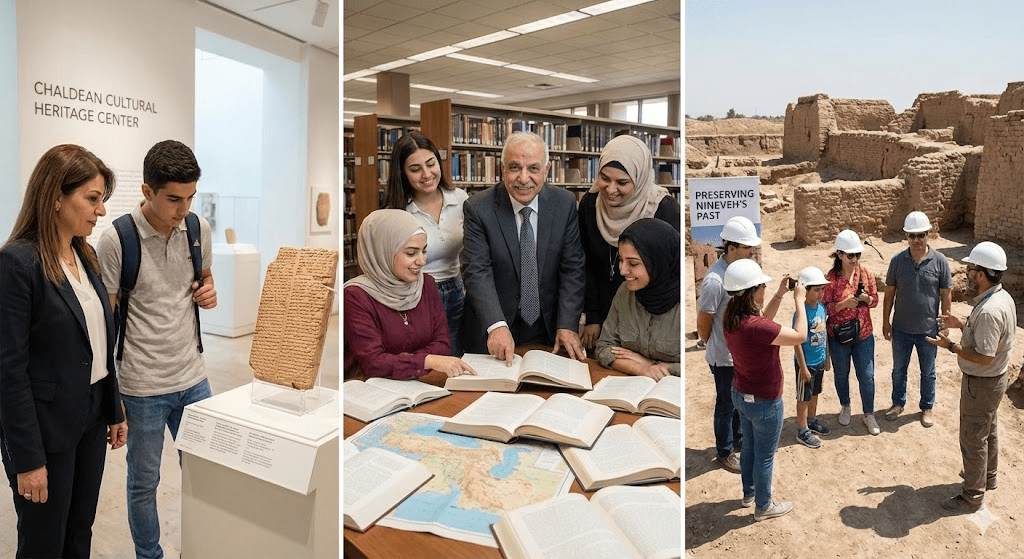
The 19th and 20th centuries witnessed a renaissance of Chaldean historical consciousness. Archaeological discoveries, scholarly research, and community education efforts helped Chaldeans reconnect with their ancient heritage.
Modern Chaldeans increasingly understand and celebrate their connection to ancient Mesopotamia, Nebuchadnezzar II, Chaldean astronomers, and the Church of the East’s global reach. This rediscovery strengthens identity and community cohesion.
Heritage Renaissance:
- Archaeological discoveries validating history
- Scholarly research on Chaldean contributions
- Community education and awareness
- Strengthened identity and pride
 EXPLORE THE CHALDEAN HISTORY